5 Ways to Improve Off-Season Guesthouse Occupancy
Improve off-season occupancy with demand-led planning, useful destination content, profitable packages, coordinated visibility and a better booking path.
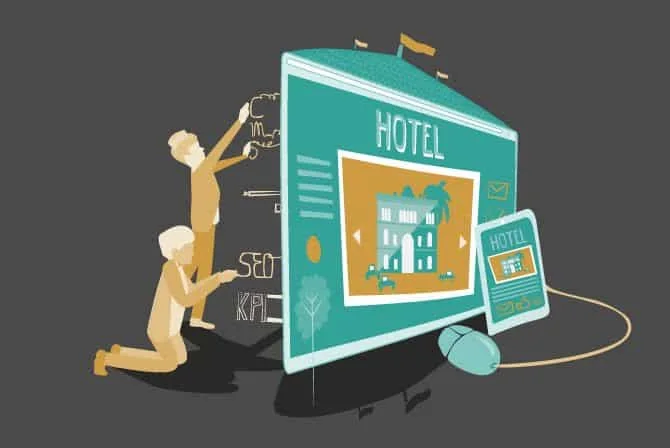
To improve off-season occupancy, identify the exact dates and guest segments that need attention, create a credible reason to visit, and make that stay easy to discover and book. More promotion is not automatically the answer: sometimes the obstacle is the offer, the booking journey or a mismatch between the message and the season.
Low season is property-specific. Winter is not quiet everywhere in South Africa, and a busy destination can still contain weak midweek dates. These five priorities combine an occupancy plan with the practical housekeeping that quieter periods make possible.
1. Build the plan around your own demand
Review occupancy, average achieved rate, booking lead time, length of stay, cancellations and channel mix by stay date. Separate weekdays from weekends and distinguish booking dates from travel dates. Compare equivalent periods rather than treating a partial month as a full-year result.
Look for guests with a reason to travel outside your usual peak: nearby couples, families during a relevant school break, business visitors, visiting friends and relatives, or a small special-interest group. Only pursue markets your facilities and location can serve well.
Ask the reservations team what prevented recent enquiries from becoming bookings. A recurring question about access, meals or minimum stays may reveal an improvement that advertising alone cannot solve. Assign a person and a deadline to each issue.
2. Publish a useful off-season destination guide
Explain why a visit is worthwhile at that time of year. Include realistic activities, weather considerations, travel times and alternatives when outdoor plans are affected. Verify opening hours and event dates before presenting them as current.
A useful guide might pair a two-night stay with a walk, a local producer visit and an indoor option. Explain which activities require advance booking and which are independently operated. Do not claim a view, facility or access arrangement the property cannot provide.
Use authentic seasonal photographs and clear headings. Link the guide to relevant accommodation and offer pages. Share individual ideas through social posts, email and selected advertising, returning visitors to the same helpful resource.
Destination content can support Google and AI-assisted discovery by answering real planning questions. It should serve travellers first, not repeat a list of place names or promise a particular ranking.
3. Package value and reconnect with suitable guests
Build an offer around an experience rather than discounting every room. A longer-stay arrangement, a dining partnership or a midweek work-and-rest break can be useful when the costs and operational requirements make sense.
Calculate contribution after inclusions, distribution, payment and advertising costs. Protect dates already selling well. Make the stay period, room basis, minimum nights, inclusions, exclusions and cancellation terms clear.
The earlier off-season checklist highlighted repeat guests, local demand and partnerships. Keep those ideas, with sensible boundaries: communicate with eligible subscribers, honour opt-outs, confirm partner delivery, and distinguish a loyalty benefit from a promise of permanent discounts.
If the property has suitable space, small meetings, workshops or hosted events may create another reason to stay. Assess demand, staffing, noise and guest expectations before promoting them. A quiet retreat should not unexpectedly become an event venue.
4. Match visibility to the booking window
Keep your Google Business Profile, website and relevant accommodation listings accurate. Explain seasonal facilities and offers consistently. Check that a direct-booking benefit is both deliverable and compatible with your distribution arrangements.
Plan search content ahead of need. SEO is an ongoing process with variable timing; there is no reliable fixed number of months after which bookings appear. Use relevant Google Ads when a timely demand-capture campaign is appropriate, with a landing page that matches the query and offer.
On social media, show the experience guests can actually enjoy now. Give a useful next step and respond to enquiries. Paid promotion may help distribution, but a boost is not evidence of profitable demand.
Check OTA availability and package rules with the person responsible for distribution. TMSA focuses on websites, search visibility, advertising and content; specialist OTA, reservations and revenue work should have a clearly defined owner.
5. Use quieter periods to fix the foundations
Test the mobile website, booking-engine handover and enquiry routes. Review whether room details and policies answer the questions your team receives. Replace inaccurate imagery, repair broken links and make sure rates and bookable inventory agree across the relevant systems.
Review guest feedback with the operational team. Fix repeated problems and use genuine strengths to sharpen the marketing. Ask for honest feedback without incentives or filtering out unhappy guests.
Refresh the content calendar and image library, train the team on offers, and create a simple weekly review. A modest, maintained routine is more valuable than launching many channels that nobody can keep current.
A practical weekly off-season check
- Which stay dates still need demand, and has their pickup changed?
- Are the offer, available rooms and terms still accurate?
- Which messages are producing qualified enquiries or completed bookings?
- Are campaign costs and package costs acceptable for the resulting business?
- What is the next specific change, who owns it and when will it be reviewed?
Compare outcomes with the starting position, allowing for changes in weather, events, availability and demand. Avoid attributing every booking to the most recent post or advertisement.
For a winter-specific plan, read our winter occupancy guide. For year-round conversion work, use the direct-booking strategy. TMSA can help connect the website, search, advertising and content around the demand gaps that matter.
A clearer path to more direct bookings.
Bring your website, search visibility, advertising and content together around your accommodation brand.