10 Website Checks to Support More Direct Bookings
Review direct-booking value, room information, offers, referral links, mobile usability, language needs and image context on your accommodation website.

Your accommodation website can make direct booking a clearer, more confident choice by explaining the stay, presenting an honest offer and removing unnecessary steps. It works alongside OTAs and other channels rather than making them irrelevant. These ten checks focus on the website experience, complementing a wider direct-booking marketing strategy.
1. Explain the rate and direct-booking value
Show applicable prices, inclusions, taxes and material conditions accurately. Compare like-for-like room types and terms when assessing other channels. Check contractual and legal requirements before making a lowest-price promise; direct-booking value can include suitable flexibility or service, not only a discount.
2. Make returning-guest offers worthwhile
Design any loyalty or repeat-stay offer around margin, availability and clear eligibility. Avoid discounting every stay simply to call it a reward. Tell reservations staff how to apply the offer and keep the website and engine aligned.
3. Answer room and stay questions
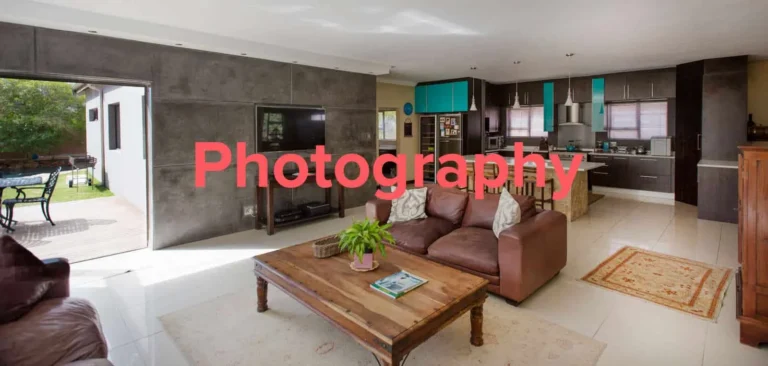
Provide accurate room photographs, occupancy, bed arrangements, amenities, access information and policies. Explain meaningful differences between room categories so guests can choose without repeated messages.
4. Improve relevant referral routes
Check the website links on legitimate tourism listings and partner pages. Send visitors to the most appropriate destination, not automatically to an unrelated homepage. Do not buy links or create directories solely to manipulate rankings.
5. Give social visitors a useful destination
Link an offer or experience post to matching information on your website. Keep the message consistent and check the page on a phone. Likes and referral visits are not the same as enquiries or bookings.
6. Show who the property suits
Use genuine strengths such as a particular setting, family arrangement or work-stay facility. Explain limitations as well as advantages. Specific evidence helps the right guests assess fit more effectively than unsupported claims about being perfect for everyone.
7. Consider useful language support
Choose languages according to actual audiences and maintenance capacity. Important prices, policies and booking steps need accurate translation too. Avoid adding machine-translated pages that nobody can check or keep current.
8. Test the complete mobile journey
Check readable text, tap targets, forms, room selection and booking-engine handover. Test error messages and unavailable dates. A mobile-friendly homepage is not enough if the next step becomes difficult.
9. Turn reservations knowledge into website answers
Ask the team which questions recur before booking and arrival. Add useful answers about location, payment, parking or check-in where guests expect them. Keep sensitive or individual booking information out of public examples.
10. Give images accurate context
Use meaningful filenames and descriptive alternative text where appropriate, without keyword stuffing. Identify room categories and important differences in nearby copy. Good image descriptions support accessibility and understanding, but do not guarantee image-search traffic.
Review these changes against enquiry quality and confirmed reservations where measurement is reliable. For the wider channel plan, see our direct-booking strategies guide.
A clearer path to more direct bookings.
Bring your website, search visibility, advertising and content together around your accommodation brand.