How to Manage Business Email with Gmail: Current Options and Changes
Understand Gmail app, third-party mailbox and Google Workspace options before changing business email, including announced web-feature changes and safe planning.
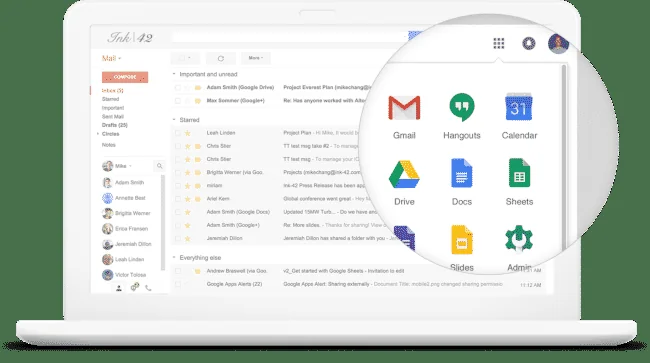
You can manage business email in a Gmail-based workflow, but the right setup depends on whether you mean the Gmail mobile app, a third-party mailbox viewed in Gmail on the web or a hosted Google Workspace account. These are different arrangements and should not be configured from an old POP tutorial.
Our original article described Gmail’s third-party POP fetching and SMTP “Send as” setup. Google’s current third-party email support notice announces removal of the affected web features in January 2027. Check the current notice and your account before making changes; this refresh is dated 31 October 2026.
Choose the arrangement you actually need
If you want to keep the mailbox with your existing hosting provider, its webmail or a supported mail client may be the simplest option. The Gmail mobile app can also add supported third-party accounts using their provider settings. That is not the same as migrating the mailbox into a Google-hosted business account.
If you want Google to host your domain’s email, assess Google Workspace separately, including licences, administrator ownership, migration, storage and domain configuration. A familiar Gmail interface does not mean the underlying service is free or that mail hosting has already moved.
Use current provider-approved settings
Obtain the correct server names, encryption, ports and authentication method from the actual email provider. Do not assume every server is mail.yourdomain.com or use an unencrypted connection because an old screenshot shows it. Use secure provider documentation and never post mailbox passwords or verification codes in support comments.
A mail client may use IMAP to access the mailbox and SMTP to send; the provider determines what is supported. Turning on forwarding is not a complete substitute for checking how replies, sent mail, spam handling and delivery authentication will work.
Plan a change before touching mail or DNS
Inventory mailboxes, aliases, forwarding, devices and essential reservations correspondence. Confirm account ownership and arrange an appropriate backup and migration plan. Leaving a copy in one mailbox is not, by itself, a tested independent backup.
Any MX, SPF, DKIM or DMARC change needs the responsible administrator’s approval and a plan that protects delivery. Website hosting and email hosting can be separate. Do not change domain records simply to try a new mail interface.
Test the complete business workflow
Under an approved controlled test, check inbound mail, outbound mail, replies, the displayed From address, attachments and access on relevant devices. Confirm that messages go to the intended mailbox and that shared staff can access only what they need.
Keep reservation enquiries monitored during the transition and agree a rollback route. A message appearing in Sent does not prove it reached the recipient. Ask the hosting or email administrator to investigate delivery rather than repeatedly resending an important guest message.
What should an accommodation owner do next?
Ask your provider which supported setup fits your current mailbox and how the announced Gmail changes affect it. Retain business ownership of administrator access. TMSA can coordinate relevant website enquiry requirements, but mail migration, licensing and DNS changes are separate approved work, not something this guide performs automatically.
A clearer path to more direct bookings.
Bring your website, search visibility, advertising and content together around your accommodation brand.