Work-From-Anywhere Stays: Is Your Property a Good Fit?
Assess remote-work stays through real facilities, longer-stay economics, accurate content and measured demand, with clear limits on historical programme claims.
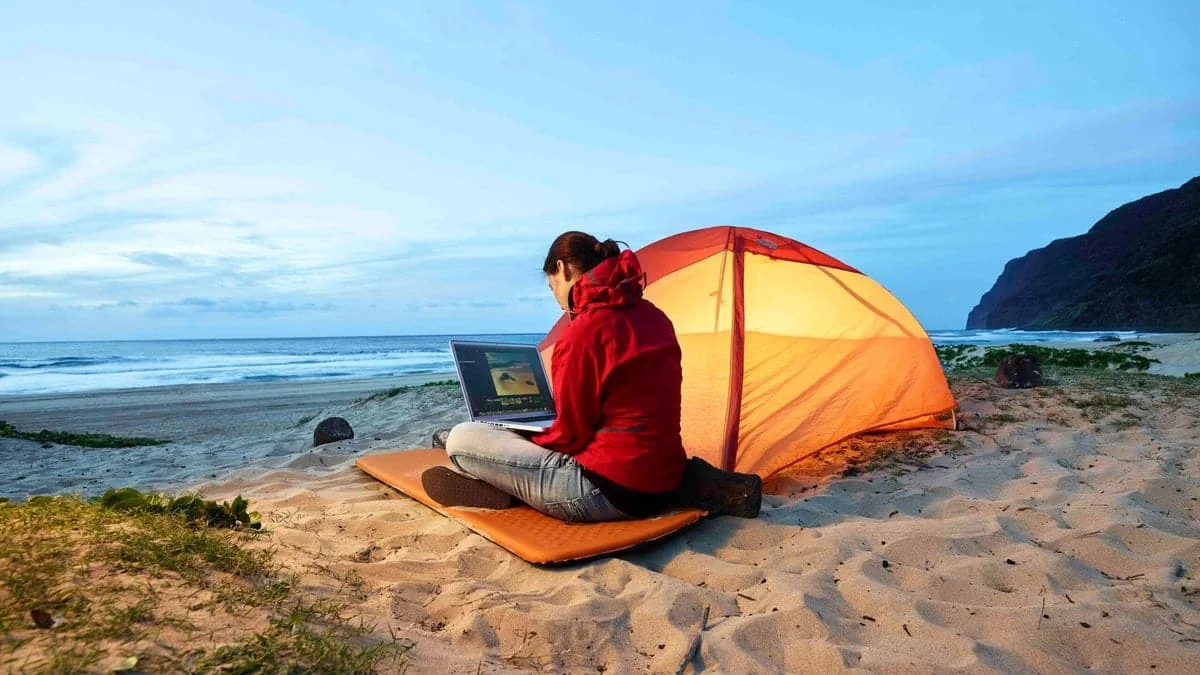
A work-from-anywhere stay combines accommodation with the practical conditions someone needs to keep working. It can be a useful audience opportunity for some properties, but should be tested against real enquiries, operating capacity and costs rather than assumed to be a universal growth market.
Decide whether the property genuinely suits remote work
Review connectivity, a usable work surface, lighting, power arrangements, noise, privacy and the suitability of common spaces. Explain what is available rather than promising uninterrupted work in every condition. Check whether other guests and staff can be accommodated without conflict.
A quiet weekday room may be suitable while the same room during a wedding weekend is not. Differentiate actual facilities from an appealing photograph of a laptop beside a pool.
Plan the longer-stay arrangement
Assess room availability, servicing frequency, laundry, meals, deposits, cancellation terms and the effect on other demand. A longer stay is not automatically more profitable, and a discount should follow the economics rather than a generic trend recommendation.
State what the rate includes and what costs extra. Agree who can approve a corporate arrangement or an extension. Do not advertise a package that the reservations team or booking system cannot consistently fulfil.
Answer practical questions in the marketing
Show the actual work area, explain connectivity and support hours, and describe relevant local services. Use a matching landing page and a clear enquiry route for unusual requirements. Do not collect an employer’s confidential information to qualify a simple stay enquiry.
Use appropriate content or advertising to test the audience, then measure genuine enquiries and reservations. Separate interest in a remote-work post from evidence of an economically viable segment.
Context for the earlier programme example
The original article discussed Campsited’s Open-Air Work From Anywhere initiative as a contemporary example of combining work and travel. That reference is historical, not confirmation that the programme, destinations, durations or supplier arrangements remain available. Check any provider’s current terms directly before recommending it.
This refresh does not repeat the earlier unverified workforce and happiness statistics. Travellers must obtain suitable official or qualified advice about immigration, work permission, tax and employer requirements; a room booking does not establish eligibility to work from a country.
Test the proposition before expanding
Start with a defined stay period and a clear offer, assign enquiry ownership and record guest feedback on the working conditions. Review net booking value, cancellations and servicing cost. TMSA can help communicate the verified offer and connect the booking path without promising demand or creating unsupported workplace claims.
A clearer path to more direct bookings.
Bring your website, search visibility, advertising and content together around your accommodation brand.